
We Had All Simply Assumed the Box Was Red
My friends and I were coloring in a food-themed coloring book. Every one of my friends chose red for the box and yellow for the fries.
The exposure is constant, and it is not evenly distributed
Powell, Harris, and Fox (2013)
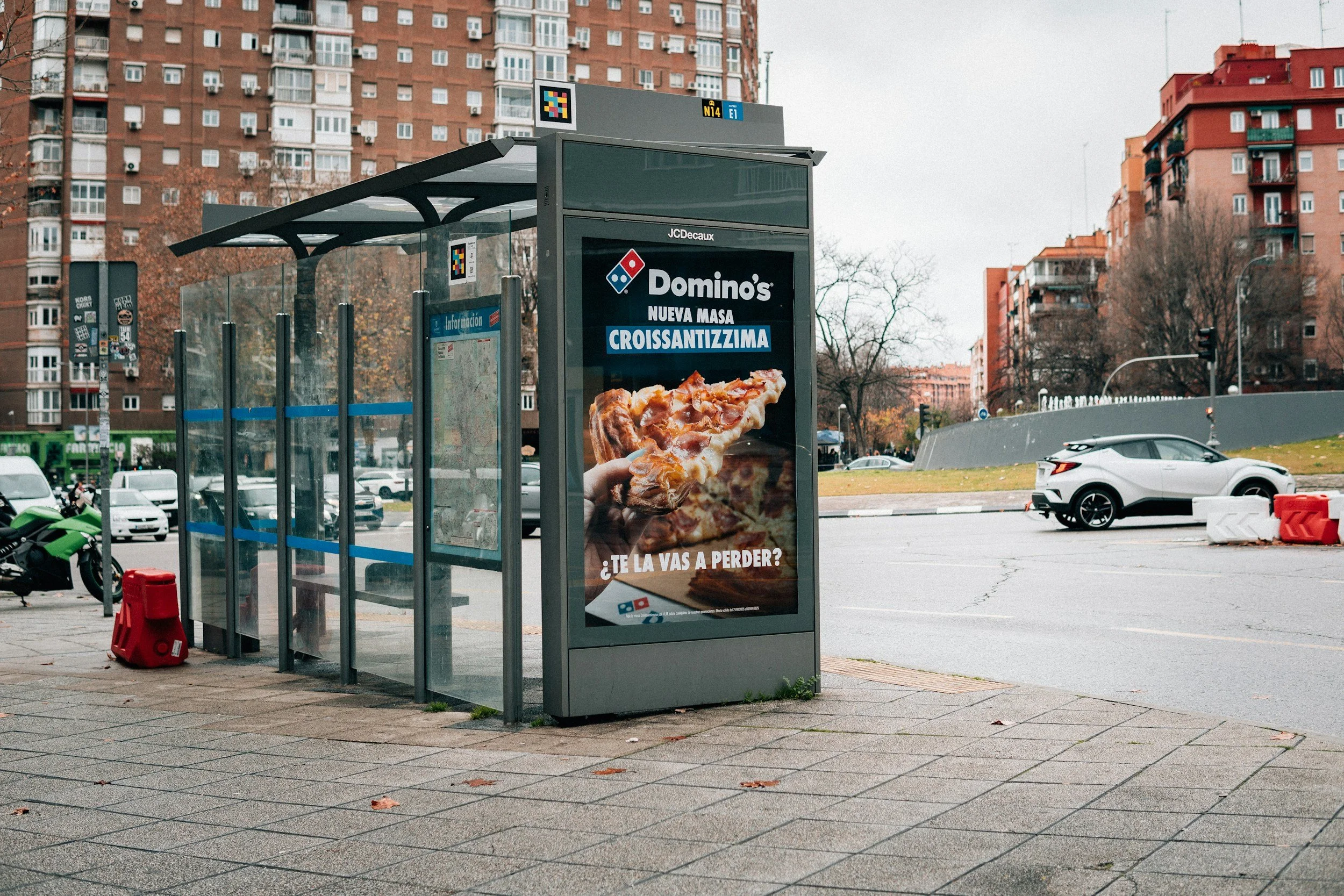
Children and teens still see 12 to 16 TV advertisements per day for unhealthy foods. Youth exposure remains very high because many ads air during general-audience shows rather than programs specifically for children.
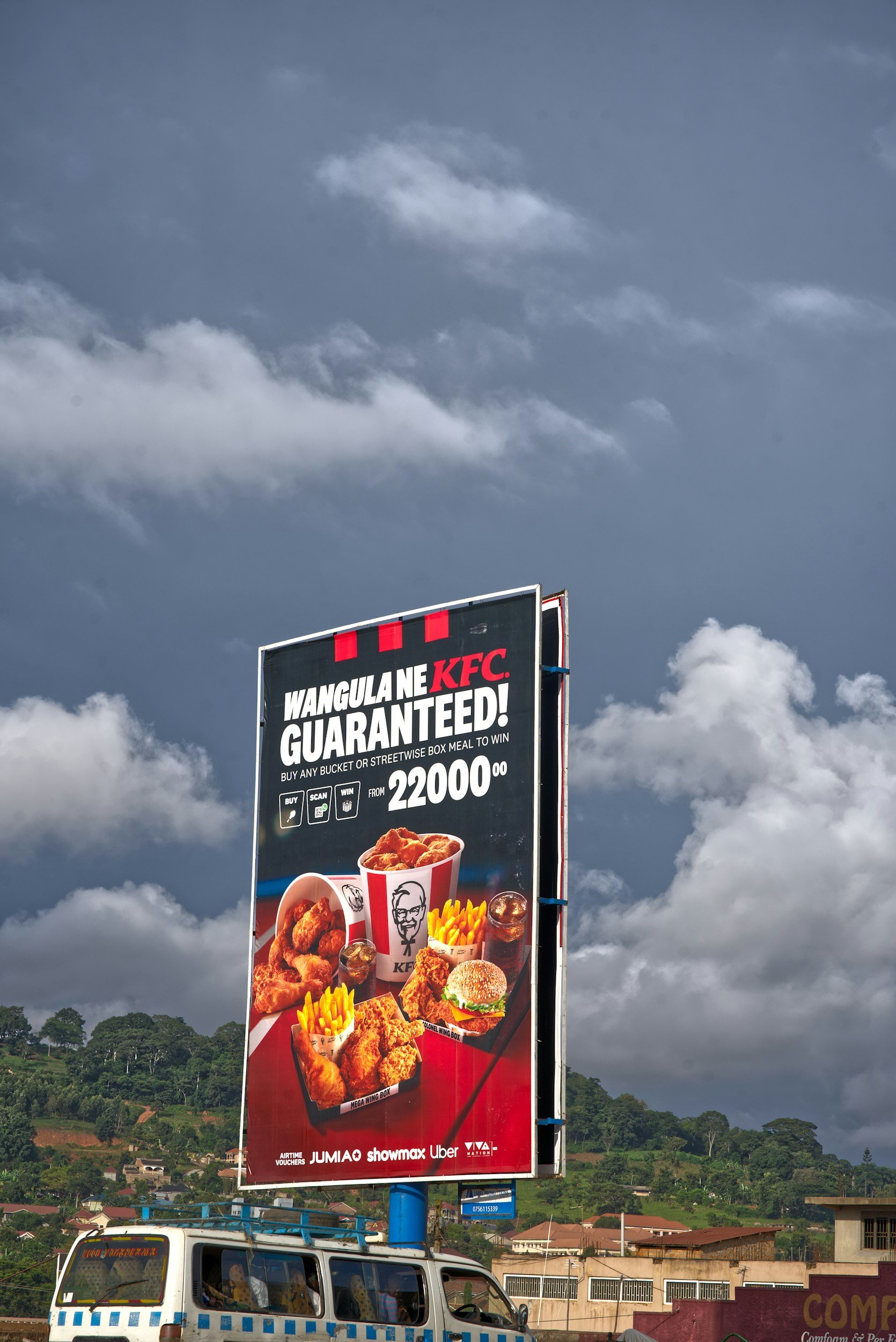
This targeted marketing contributes to ongoing disparities in obesity, diabetes, and cardiovascular disease.
Grier and Kumanyika (2008) African Americans are consistently exposed to food promotion and distribution patterns with relatively greater potential adverse health effects, across television, print, and neighborhood environments.

Research
Longitudinal studies that track the long-term effects of digital marketing, such as mobile apps and social media, on youth health behaviors.

Intervention
Move beyond voluntary industry pledges to require default healthy sides and beverages in all kids' meals.

Policy
Broaden the definition of child-directed marketing to cover digital platforms, Spanish-language media, branding-only ads, and audiences up to age 14.
Fast-food marketing remains a serious public health concern that undermines efforts to improve youth nutrition.
Addressing fast-food marketing is essential for advancing health equity
The goal is food environments where all young people, regardless of race, ethnicity, or neighborhood, can develop healthy eating habits and thrive.
My friends and I were coloring in a food-themed coloring book that featured fries, a burger, a hot dog, ice cream, and fruit. Every one of my friends chose red for the box and yellow for the fries. One friend pointed out that we had all simply “assumed” the box was red because of McDonald’s branding.
Food marketing plays a powerful role in shaping what young people eat, often in ways that they and their families barely notice. From the cartoon characters on kids’ meal boxes to the constant stream of fast-food ads on television and social media, marketing helps determine which foods children recognize, which brands they trust, and what they beg their caregivers to buy. Over time, this exposure does not just influence a single meal; it shapes young people’s tastes and expectations, nudging them toward calorie-dense, nutrient-poor options as the “normal” choice.
The Fast Food FACTS 2013 report is a key resource for understanding how these patterns have developed and how the fast-food industry has adjusted its strategies over time. This analysis draws on the FACTS report to summarize its main findings, explain why they are important for nutrition, public health, and health equity, and discuss their implications for future research, interventions, and policy efforts.
Main Messages from the FACTS Report
In 2012, fast-food companies spent $4.6 billion on advertising, an 8% increase from 2009, with television still serving as the primary way to reach young people. On average, children and teens were exposed to between 12 and 16 fast-food advertisements per day across all media. Although there were modest improvements in kids’ meal sides, for example, McDonald’s began automatically including apples in Happy Meals, companies increasingly focused their marketing on higher-calorie main dishes and regular menu items. As the report notes, “Children aged 2–5 years viewed almost 12 food ads per day on average in 2011,” underscoring how constant this exposure is, even for very young children.
Digital marketing also expanded rapidly as restaurants adopted branded mobile apps, social media campaigns, and advergames to reach young people anytime and anywhere. At the same time, major racial and ethnic disparities persisted: Black youth saw about 60% more fast-food ads than white youth. Despite a few minor product reformulations, the overall nutritional quality of advertised foods remained poor. For instance, the report highlights that “just 15 of 3039 possible kids’ meal combinations met nutrition criteria” for preschoolers, illustrating how few options can truly be considered healthy.
Why This Matters for Nutrition, Public Health, and Equity
Powell, Harris, and Fox (2013) point out that even though some companies have cut back on certain types of advertising, children and teens “still see 12–16 TV advertisements per day” for unhealthy foods. Even when inflation-adjusted spending declines in some categories, youth exposure remains very high because many ads air during general-audience shows rather than programs specifically for children. This constant marketing presence shapes what young people like, what they request, and what they eat, reinforcing the FACTS report’s conclusions about the harmful effects of aggressive fast-food advertising on youth diets.
From a health equity perspective, Grier and Kumanyika (2008) found that African Americans “are consistently exposed to food promotion and distribution patterns with relatively greater potential adverse health effects.” In everyday terms, this means African American communities are more likely to encounter unhealthy marketing across television, print, and neighborhood environments, where fast-food restaurants are more densely located. This targeted marketing contributes to ongoing disparities in obesity, diabetes, and cardiovascular disease. These findings align with the FACTS report, which showed that Black youth saw 60% more fast-food ads, often during programs that are watched at higher rates by Black audiences.
Implications for Research, Intervention, and Policy
Looking ahead, future research should include longitudinal studies that track the long-term effects of digital marketing, such as mobile apps and social media engagement, on youth health behaviors. Neighborhood-level studies are also needed to more directly connect fast-food restaurant density and heavy advertising exposure with community health outcomes. Intervention strategies should move beyond voluntary industry pledges to require default healthy sides and beverages in all kids’ meals, given that default options have been shown to increase fruit and vegetable consumption. In addition, more targeted funding is needed for counter-marketing campaigns in communities that are disproportionately exposed to unhealthy food promotions.
Policy changes are also needed to broaden the definition of “child-directed marketing” to clearly cover digital platforms, Spanish-language media, branding-only advertisements, and audiences up to age 14. Stronger regulations should set uniform, mandatory nutrition standards for kids’ meals and limit unhealthy food advertising during programs with high youth viewership, regardless of the advertiser’s stated target audience. Evidence from Powell et al. and Grier and Kumanyika indicates that current voluntary standards are insufficient to protect the most vulnerable populations from constant exposure to unhealthy products.
Conclusion
Fast-food marketing remains a serious public health concern that undermines efforts to improve youth nutrition. Children, teens, and communities of color still experience disproportionate exposure to ads for nutritionally poor foods, deepening existing health inequities. To better protect children and reduce diet-related chronic diseases, we urgently need stronger policies and more comprehensive research to rein in aggressive marketing and promote healthier food environments. Building on the evidence in the FACTS report and related studies, this means not only limiting children’s exposure to unhealthy food advertising but also reshaping the media and neighborhood environments that normalize fast-food consumption. Effective strategies should combine policy reforms, community-based interventions, and counter-marketing efforts to elevate healthy options and challenge the appeal of fast-food brands.
Ultimately, addressing fast-food marketing is essential for advancing health equity: without reducing targeted, high-volume advertising and improving the nutritional quality of foods promoted to youth, efforts to lower rates of obesity, diabetes, and cardiovascular disease will remain limited. A sustained, multisector effort that includes researchers, policymakers, public health practitioners, educators, and community advocates is critical to creating food environments where all young people, regardless of race, ethnicity, or neighborhood, can develop healthy eating habits and thrive.
Sources:
Grier, S. A., & Kumanyika, S. K. (2008). The context for choice: Health implications of targeted food and beverage marketing to African Americans. American Journal of Public Health, 98(9), 1616–1629., DOI: 10.2105/AJPH.2007.115626
Harris, J. L., Schwartz, M. B., Munsell, C. R., Dembek, C., Liu, S., LoDolce, M., Heard, A., Fleming-Milici, F., & Kidd, B. (2013). Fast food FACTS 2013: Measuring progress in nutrition and marketing to children and teens. Yale Rudd Center for Food Policy & Obesity.
Powell, L. M., Harris, J. L., & Fox, T. (2013). Food marketing expenditures aimed at youth: Putting the numbers in context. American Journal of Preventive Medicine, 45(4), 453–461., DOI: 10.1016/j.amepre.2013.06.003